

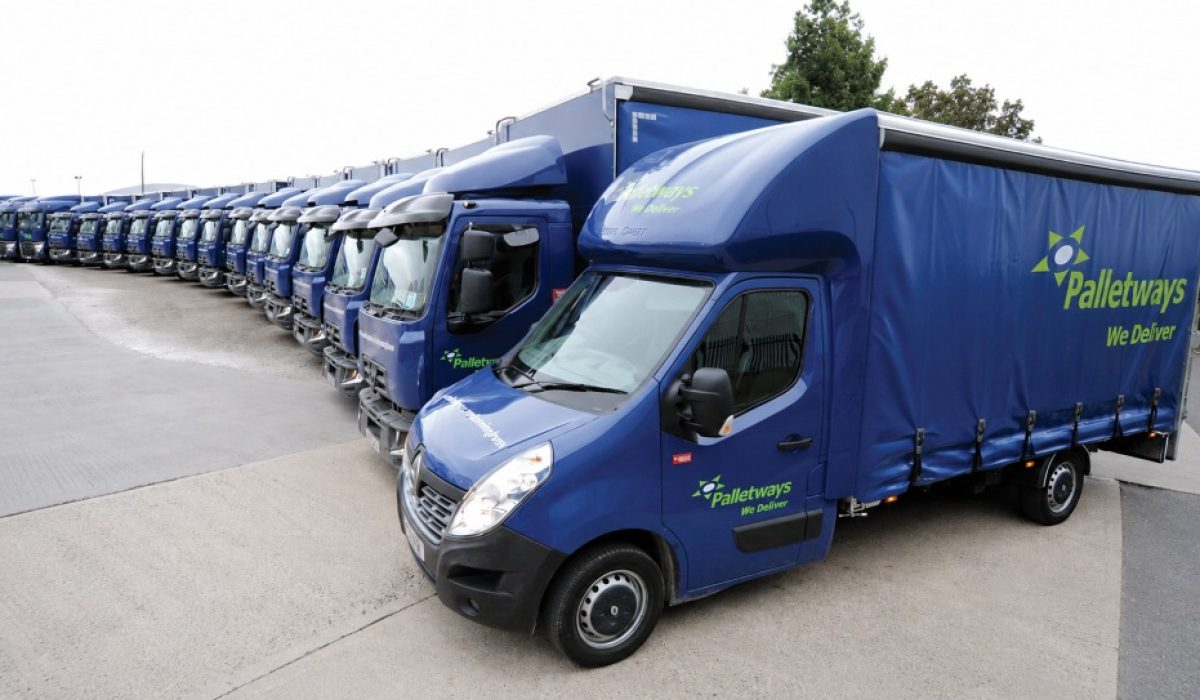
Step inside a modern Heavy Goods Vehicle (HGV) today, and you are stepping into a mobile command centre. The evolution of HGVs in logistics is remarkable. Equipped with lane assist, 360-degree digital camera systems, predictive cruise control, and automated transmissions, today’s lorries represent the pinnacle of automotive engineering.
However, road transport did not transform overnight. The history of the HGV is deeply intertwined with the rise of standardised freight, most notably, the pallet. It’s a fact that we wouldn’t be the best pallet network in the UK if it wasn’t for our member depots constantly upgrading their fleets.
As consumer demand grew and global supply chains demanded faster turnarounds, truck designs had to adapt to carry more goods, more safely, and with greater efficiency. Here is how decades of HGV innovation laid the groundwork for today’s high-speed pallet network operations.
1. The 1960s-1970s: Heavy Lifters and the Pallet Revolution
In the mid-20th century, road haulage was back-breaking work. Drivers operated rigid chassis trucks featuring manual gearboxes, minimal cab insulation, and heavy steering. Loose goods were often loaded and unloaded by hand, making long-distance transport slow and labour-intensive.
Widespread adoption of the pallet
The standardised European wooden pallet changed everything in the 1960s when it was widely adopted by the logistics industry. Instead of handling individual crates or sacks, businesses could now move uniform unit loads. HGV manufacturers responded by extending deck lengths and building flatter bed designs specifically engineered to maximise pallet footprints, drastically reducing turnaround times at loading bays.
2. The 1980s-1990s: Aerodynamics and the Rise of Curtain-sided Trailers
By the 1980s, motorways were the arterial routes of UK transport. Fuel costs were rising, and hauliers needed vehicles built for sustained, high-speed motorway transit. Boxy, flat-fronted cabs gave way to aerodynamic air deflectors and contoured cab bodies designed to slice through wind resistance.
Introducing the curtain-sided trailer
This era introduced one of the biggest game-changers in the evolution of HGVs and pallet distribution: the curtain-sided trailer.
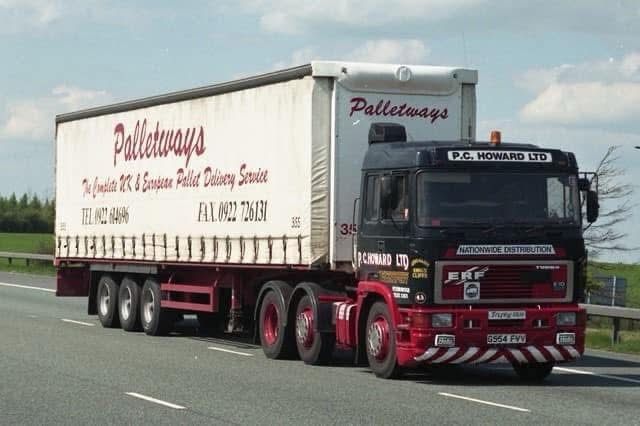
Prior to curtain-sides, loading a rigid box trailer meant reversing up to a dock and pushing pallets down the length of the vehicle. Curtain-sided trailers allow forklifts to load pallets directly from the side along the entire length of the trailer. This innovation slashed loading times from hours to minutes, paving the way for modern, high-volume hub-and-spoke distribution networks.
In the 1990s, UK pallet networks were formed by forward-thinking logistics companies. The goal was to combine their resources to deliver across Great Britain.
3. The 2000s-2010s: Telematics, Euro Emissions, and Double-Deckers
The turn of the century brought strict European emission standards, driving massive manufacturer investment into cleaner diesel engines, exhaust fluid systems (AdBlue), and improved fuel economy. Simultaneously, driver comfort and safety moved to the forefront with air-conditioned cabs, air-suspended seats, and anti-lock braking systems (ABS).
Technology and double-deck trailers
This decade saw the marriage of vehicle hardware and digital technology:
- Telematics & Live Tracking: Integrated GPS and onboard scanners transformed HGVs into data nodes. Transport planners and end-customers could now track the exact location of an individual pallet in real-time.
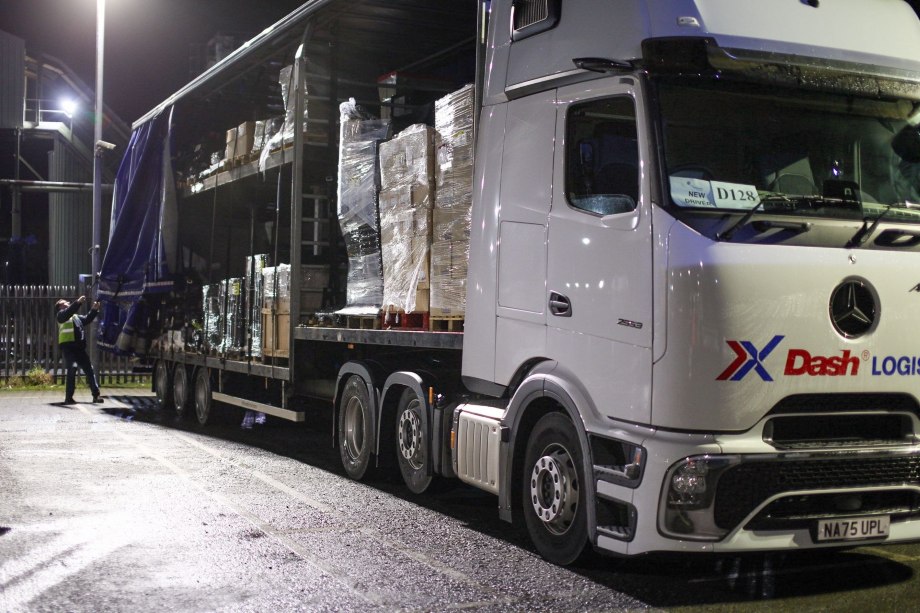
- Double-Deck Trailers: To maximise volume without increasing vehicle footprints on congested roads, double-deck trailers were introduced into pallet networks. This allowed operators to move up to 52 pallets in a single trunking run, dramatically lowering cost-per-pallet and cutting carbon emissions.
4. The 2020s and Beyond: Alternative Fuels, Digital Cabs, and Green Supply Chains
Today’s HGVs are cleaner, safer, and more connected than ever. Mirrorless camera systems replace traditional side mirrors to eliminate blind spots, while digital cockpit displays give drivers real-time diagnostics on fuel burn, tire pressure, and route optimisation.
Furthermore, the industry is undergoing its biggest powertrain shift since diesel replaced petrol: the transition toward electric HGVs.
Sustainable pallet distribution
Modern pallet distribution relies on maximum efficiency and minimal environmental impact. Through intelligent routing software, double-deck trailer utilisation, and sustainable fleet investments, pallet networks can move higher volumes of freight with fewer total vehicle journeys. Partnering a pallet network helps B2B businesses meet their Scope 3 emissions targets.
Moving the UK Economy Forward, One Pallet at a Time
While driver cabs have evolved from noisy, manual work environments into quiet, ergonomic workspaces, the core purpose of the commercial vehicle remains unchanged: keeping British industry moving safely and efficiently.
From the early flatbeds of the mid-1900s to today’s high-tech fleets, the evolution of the HGV has continuously redefined what is possible in modern B2B logistics.
Choose the best pallet network in the UK
Looking for a reliable, tech-driven pallet network for your B2B logistics? We leverage industry-leading transport technology and sustainable fleet solutions across the UK and Europe.
At Palletways, we build real value into every mile of your supply chain:
Precise 2-Hour Delivery Slots: Give site managers and homeowners total clarity on exact arrival times.
Complete Live Tracking: Provide both your logistics team and end-users with full, end-to-end operational visibility.
Centralised Hub Warehousing: Store high-demand inventory centrally to facilitate fast-turnaround fulfillment.
Versatile Urban Fleet: Access smaller, specialised vehicles built for narrow city streets and home drop-offs.
Eco-Friendly Freight: Reduce your environmental footprint with sustainable pallet distribution aligned with your ESG goals.
Unmatched Service Quality: Deliver a premium pallet shipping experience your customers can rely on.
Get in touch to discuss your pallet shipping or fulfilment requirements. Join thousands of happy customers, as evidenced by our Trustpilot reviews.