

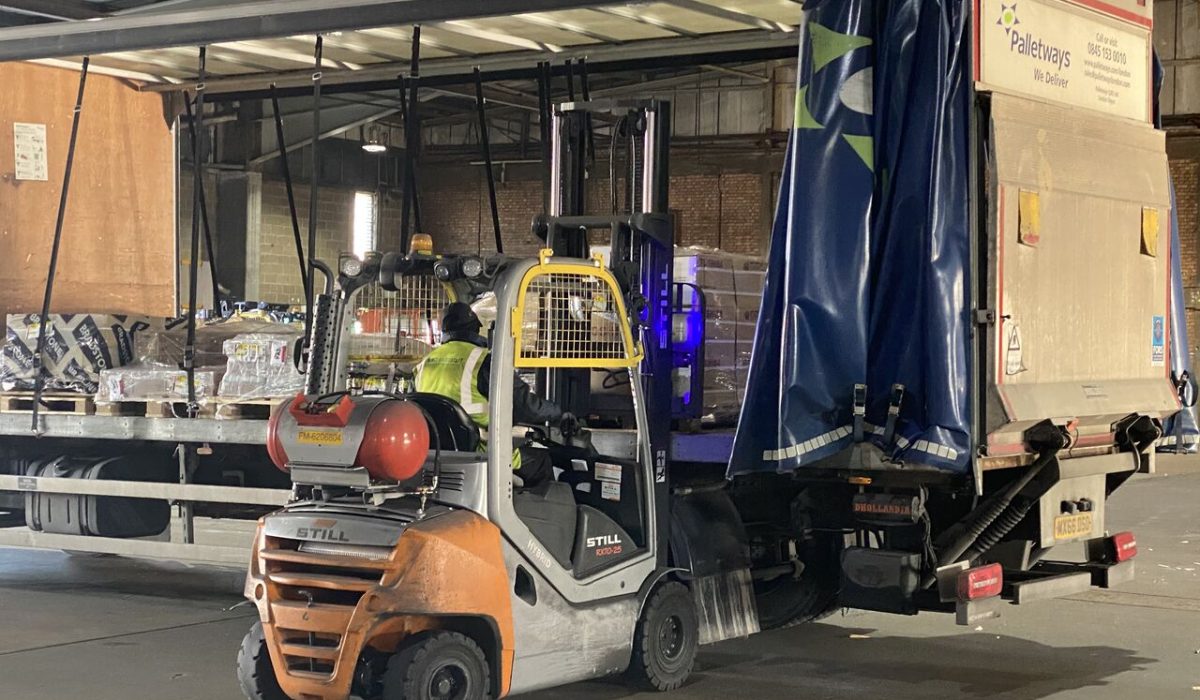
The UK road freight sector has experienced sustained turbulence in recent years, with rising fuel costs, driver shortages, tighter regulation and fragile margins contributing to the closure of many traditional HGV haulage companies. Within this environment, pallet networks are often perceived as being more stable and better equipped to weather disruption.
While pallet networks like Palletways are not immune from the challenges facing the logistics industry, their operating model makes them significantly more resilient than standalone hauliers, particularly when it comes to pallet distribution.
Understanding How Pallet Networks Operate
Pallet networks are built around a hub-and-spoke model that connects independent regional hauliers into a single national pallet distribution system. Rather than one company owning all vehicles, depots and routes, each member collects pallets locally and feeds them into our Fradley central hub, where freight is sorted and redistributed for onward delivery.
This structure allows us to achieve high levels of efficiency. Long-distance trunking is shared, empty running is reduced and vehicle utilisation is optimised. Compared with traditional HGV haulage, where operators often run part-loaded vehicles over long distances, pallet networks are inherently better positioned to control costs and maintain service levels during periods of economic pressure.
Why Pallet Networks Are More Resilient Than Standalone Hauliers
One of the defining strengths of pallet networks is the way risk is spread across multiple independent businesses. When a traditional HGV company fails, its operations usually cease immediately, often disrupting customers and supply chains overnight. In contrast, when an individual depot within our network closes or exits, the impact is typically contained.
Our Network team are highly experienced in acting fast to set up contingency plans and recruiting new members to fill the void. Over the short term, other members can absorb the affected postcode areas, ensuring that pallet distribution continues with minimal disruption. This ability to isolate failure at a local level while maintaining national coverage gives us a level of resilience that single-operator hauliers simply cannot replicate.
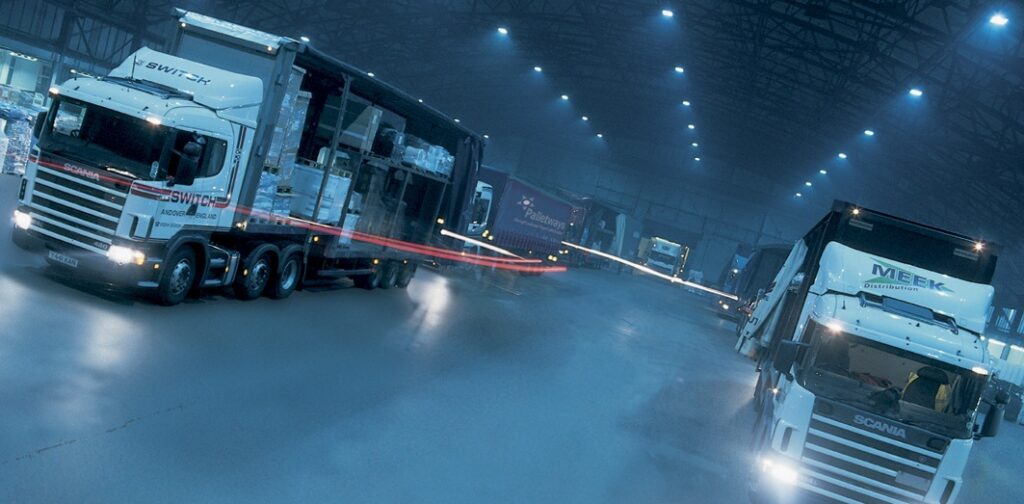
Greater Stability in Pallet Distribution Volumes
Pallet networks tend to handle a diverse mix of freight, including B2B pallet distribution, B2C deliveries, eCommerce orders and one-off pallet movements. This breadth of work helps smooth peaks and troughs in demand.
Many traditional haulage companies are heavily reliant on one or two major contracts. If a key customer is lost, the business can quickly become unviable. We’re always saddened by the loss of a member from our network. But with over 140 UK members, Palletways’ volume is spread across sectors, customers and regions, creating a more balanced and sustainable flow of work.
Are Pallet Networks Completely Immune From Closures?
Despite their resilience, pallet networks are not immune to closures at depot level. Rising operating costs, driver shortages and local economic factors can still cause individual members to struggle or exit the network. However, the key distinction is that the failure of a single depot does not threaten the network as a whole.
From a customer perspective, pallet distribution services usually continue uninterrupted, as other members step in to cover the affected areas. This continuity is one of the main reasons pallet networks are trusted for national distribution.
Systemic Risks Still Exist
Pallet networks must still manage broader industry pressures such as fuel volatility, regulatory changes and labour shortages. Additionally, poor hub management or underinvestment in infrastructure could pose wider risks if not properly controlled.
Established pallet networks mitigate these risks through long-term investment, automation, operational redundancy and conservative financial planning. While systemic failures are rare, they underline the importance of strong governance within pallet distribution networks.
What This Means for Businesses Using Pallet Distribution
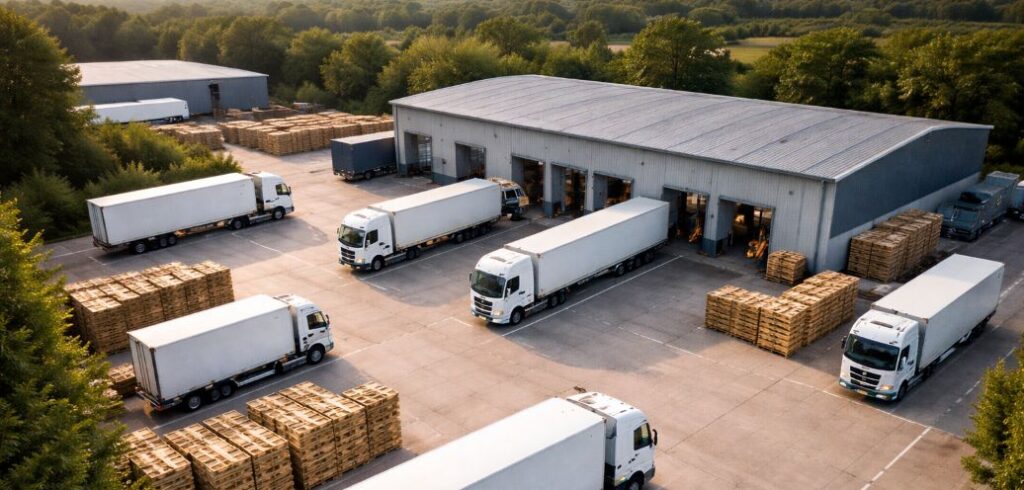
For businesses shipping palletised freight, particularly SMEs and companies requiring nationwide reach, pallet networks offer a level of stability that traditional haulage often cannot. The network model provides continuity of service, flexibility during disruption and reduced exposure to the sudden collapse of a single operator.
As supply chains become more complex and customer expectations continue to rise, pallet networks have become a cornerstone of UK pallet distribution, combining local expertise with national capability.
Conclusion: Resilient, Not Invincible
Pallet networks are not immune from the pressures affecting the UK haulage industry, but their collaborative structure, shared infrastructure and distributed risk model make them far more resilient than traditional HGV operators. While individual depots may fail, pallet distribution through a network is designed to continue.
In an industry where reliability and continuity are critical, pallet networks have proven to be one of the most robust and sustainable models for pallet distribution in the UK. You can become a customer of Palletways here.